Engine Specifications : Basics
1. Engine
The engine is like the heart of the car. It is a machine that converts power into motionor produces the force that propels the vehicle into motion. Engines commonly see three types - petrol (runs on gasoline), diesel (powered by diesel), electric (powered by batteries) and hybrid (using a combination of a fuel-driven engine and an electric one). Vroom vroom is the sound a big engine makes.
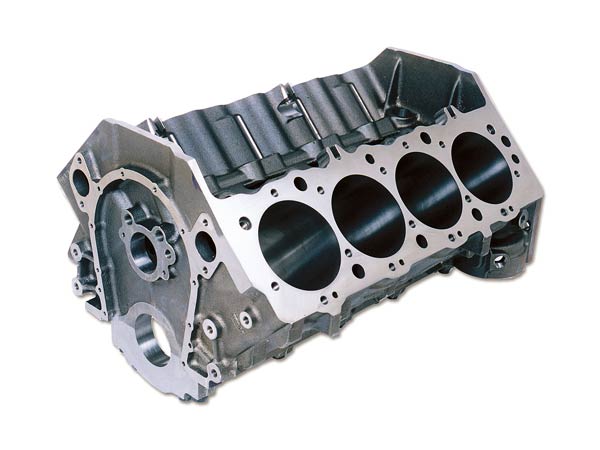
A cylinder is a ‘chamber' (to describe it loosely) where fuel is ignited to power the car into motion. So a 4-cylinder engine will have four of these compartments, a 3-cylinder, three, and so on. The cylinder houses a pistonor large valve that creates compression that helps ignite the fuel.
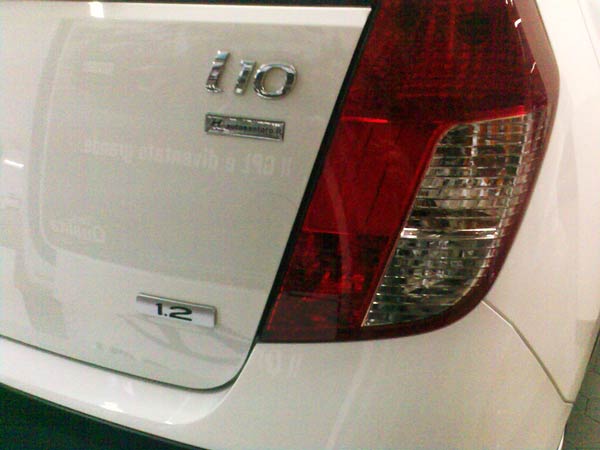
3. Displacement - Eg. 1259cc or 1.3-litre
The measurement of the volume of the engine's cylinders or ‘chambers' is called displacementand is measured in litres or cubic centimetres. So if you see "1259cc", it means the volume of the cylinders together is 1259 cubic centimetres. "1.3-litre" on a spec sheet is just another way of saying the same thing, although not as precise, and means the volume of the cylinders is 1.3 litres in total.
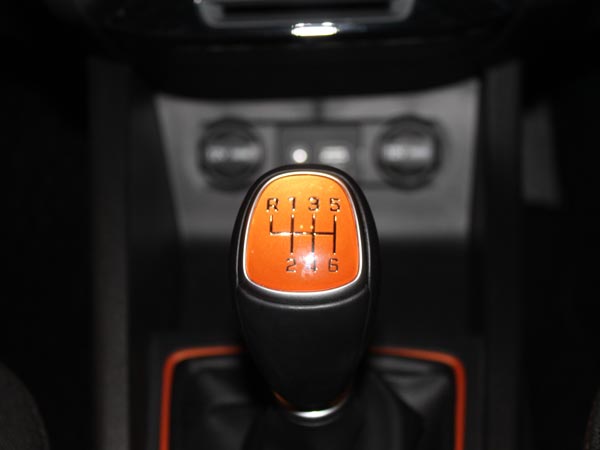
4. 5-speed transmission, 6-speed transmission, etc.
Much like you would choose different gears on a bicycle for varying inclines and pace, you need to choose gears depending on the speed of the car or the road situation. A 5-speed transmission has 5 gears or speeds you can choose from while driving or riding. A manual transmission is one that requires you to change speeds manually, while an automatic transmission picks gears automatically, requiring you to only operate the brakes and accelerator.
 Begin Your Love Story Today! Register Free!
 Doctors stunned! He Lost 23 Kg's In 4 Weeks with This Miracle Product!
 Increase your weight with the new 10 days weight gainer fast and easy - Use Now.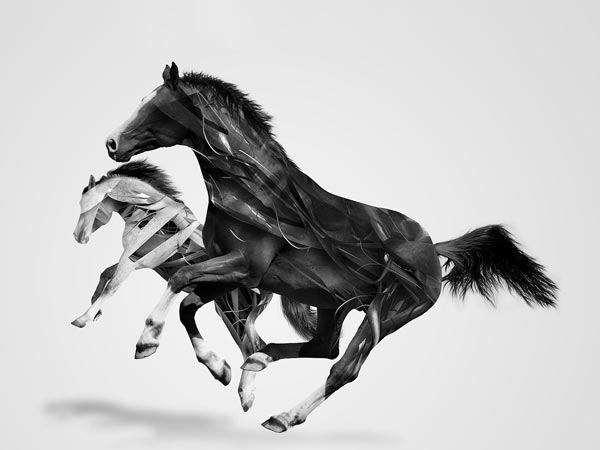
5. Power - For Eg. 75 hp
The easiest way to understand this is the unit of power-horsepower. One horsepower is informally defined as the amount of power one horse gives while pulling. So if your car has 75 horsepower, it has the pulling power of 75 thoroughbreds. To be a little more physicistical, it is the power required to raise 550 pounds a distance of one foot in one second.
6. Torque - Eg. 200 Nm
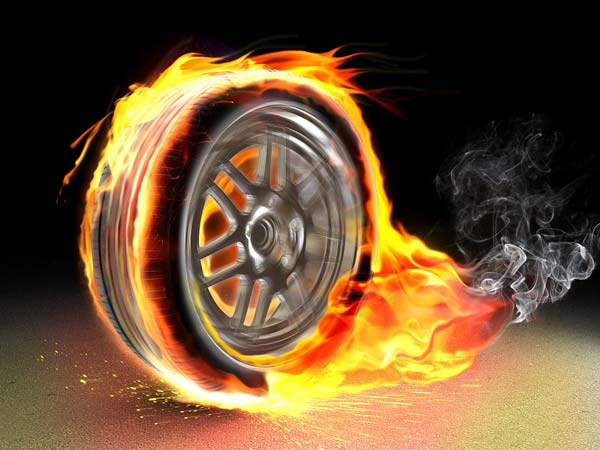
Torque is the ability (of the engine) to do workor a force that tends to cause rotation of the wheels in the case of a car or bike. Torque is measured in Newton Metres (Nm)and is usually higher in diesel engines when compared to similarly sized petrol ones. Vehicles with higher torque usually allow fewer gear changes, if set up well.
7. Drivetrain
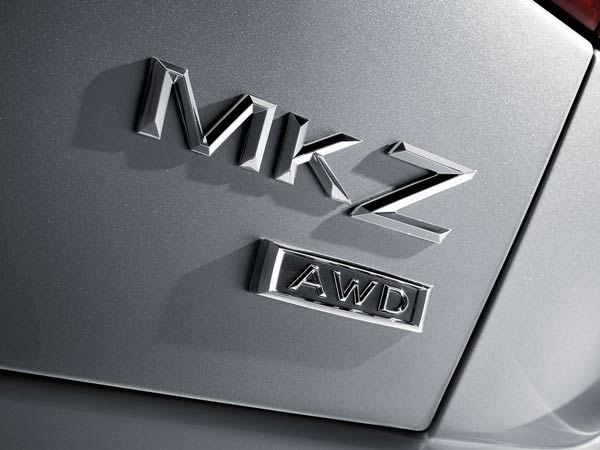
This is the system in a vehicle that connects the transmission or gearbox to the drive axlesand is broken down into three main categories - front wheel drive (FWD), rear wheel drive (RWD) or all-wheel drive (4x4/4WD/AWD). FWD means the power goes to the front wheels, therefore ‘pulling the car', RWD means the ‘push' comes from the rear wheels, and AWD means all four wheels transfer power.
Source :- https://www.drivespark.com/off-beat/car-specifications-explained-understanding-car-specs/articlecontent-pf18527-010391.html


Comments
Post a Comment